


Most office work isn't a single question with a single answer. It's a sequence: look something up, compare it against something else, draft a text, review it, log it in some system. A one-off conversation with an AI assistant handles the first step of that sequence very well — and stops right there, leaving the rest to the person.
That limit shows up in the most recent numbers on enterprise AI adoption. McKinsey, in its 2025 report on the state of AI in companies, found that 62% of organizations already experiment with AI agents, but only 23% managed to scale an agentic system past the pilot stage. The gap between those two numbers is the gap between "AI answers a question well" and "AI sustains an entire process."
For whoever leads an operations area, the question is no longer whether automation is worth it. It's exactly where automation stops working on its own — and what needs to go there to keep the process standing.
Where single-step automation only gets you so far
Deloitte describes the problem precisely in a report published in late 2025: multiagent systems are networks that collaborate across a workflow to plan, decide, and act — not one isolated tool answering one command at a time. And, per the same report, 38% of companies already experiment with this kind of architecture, but only 11% have one in production, due to integration and governance gaps.
The structural reason shows up in a third number, also from Deloitte: only 28% of surveyed leaders believe their own company has mature capability to combine basic automation with AI agents — versus 80% who say they're confident only in basic automation, the simpler, older kind. It's the same gap seen from another angle: the company knows how to automate one step, but not a chain of steps that depend on each other.
MIT's report on the state of AI in business, published in 2025 from interviews with more than 150 leaders and analysis of 300 real deployments, arrives at an even harder number: 95% of generative AI projects show no measurable financial return. The report's own explanation points exactly at the limit described above — generic conversational tools are great for individual use, but stall in enterprise use because they don't learn the company's workflow or adapt to it. The 5% that work are, mostly, systems built to integrate deeply with the process — not one more conversation.
For a Brazilian company that already tried an AI assistant and was left with the feeling of "it works, but nothing actually changed," this is exactly why: the tool solved one step, and the rest of the process kept depending on someone copying, pasting, and manually deciding what comes next.
Why "add one more agent" isn't the fix
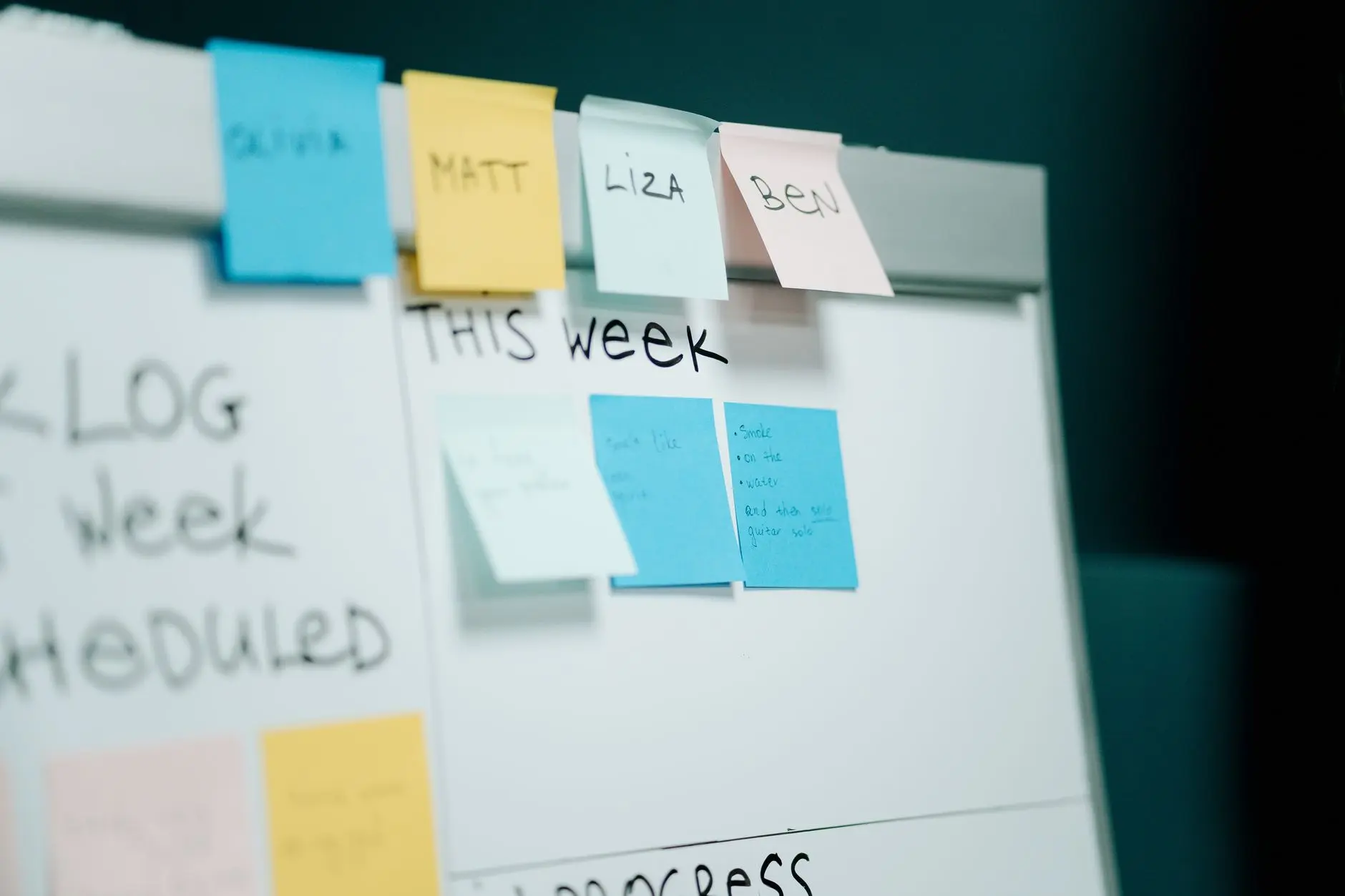
The most common reaction to that limit is buying or building one more agent to cover the next step in the process. One agent looks something up, another drafts, a third reviews. In theory, three steps covered. In practice, this is where the governance gap Deloitte measures shows up: each agent was designed in isolation, with its own permission, its own owner, its own logic — and nobody coordinated the handoff between them.
The result is predictable: the agent that drafts doesn't know whether the information it received from the previous agent was already validated. The agent that logs doesn't know who approved what along the way. When something goes wrong mid-sequence, reconstructing what happened means opening three different systems and hoping the records line up.
Stacking disconnected agents multiplies the same problem that stalled the single step — only now at every link of the chain, with nobody seeing the whole chain.
What has to be in place
An automated task sequence with governance rests on specific mechanisms, not one more standalone tool.
Coordinated steps with one flow owner, not loose agents. Looking things up, comparing, drafting, reviewing, and logging need to be recognized as a single sequence, with one central point that knows what step the task is on — not five tools that don't talk to each other.
Its own permission per step. The agent that looks things up only sees what it needs to search; the one that drafts only receives what's already approved for use; the one that logs only writes, without being able to alter what came before. Isolating permission by step limits the damage when one step fails.
A human checkpoint where the risk actually justifies it. Not every step needs approval — most is routine. But the step that decides something with financial, contractual, or regulatory weight pauses, inside the sequence itself, and waits for a person to confirm before moving on.
A record of the whole path, not each isolated step. The value isn't in knowing agent 2 ran at 2:32pm. It's in being able to see the full sequence — who asked, what each step did, where a person stepped in — as a single timeline.
Knowledge reusable across steps. The answer approved at one step should be able to feed the next without someone having to manually copy and paste the result from one system to another.
This is how Skyller was designed: agents working in coordinated steps inside one single flow, with its own permission per step and an audit trail that covers the whole sequence, not pieces of it.
Generic tools stall in enterprise use because they don't learn from or adapt to workflows.
What changes when the whole process is covered

The difference between a chat tool and a coordinated flow first shows up in the time the team stops spending between one step and the next. When the information approved at one step already arrives ready at the next, nobody wastes time hunting for the right file, confirming with a colleague, or redoing a step because the version used was outdated.
The second difference is for whoever leads the area: instead of asking "how many AI conversations did the team have this month," the question becomes "how many complete processes did the team clear from the queue." That's a business metric, not a tool-usage one — and it's the metric that justifies budget, because it shows the volume of work finished, not just the volume of questions answered.
And there's a long-term effect: a flow designed well once can be reused by another person, another team, another unit — without each area having to rediscover, on its own, the same sequence of steps another one already solved.
A checklist for picking the first process to automate
Before deciding which process to automate end to end, it's worth mapping the answers to these questions with whoever runs the task today:
- How many manual steps does this task have today, between the initial request and the final result delivered? If the answer is "just one," a one-off conversation already handles it — this isn't the right process to start with.
- In which of these steps does someone need to copy information from one system and paste it into another? Every manual copy is a point where the process depends on someone remembering to get it right.
- Is there a step in this sequence that, if skipped or done wrong, creates financial, contractual, or regulatory risk? That's the step where human review needs to sit — the rest can run on its own.
- If this task stalls halfway through, can someone see today which step it stopped at, or do they have to ask person by person? The answer measures whether there's a single timeline or just isolated fragments.