

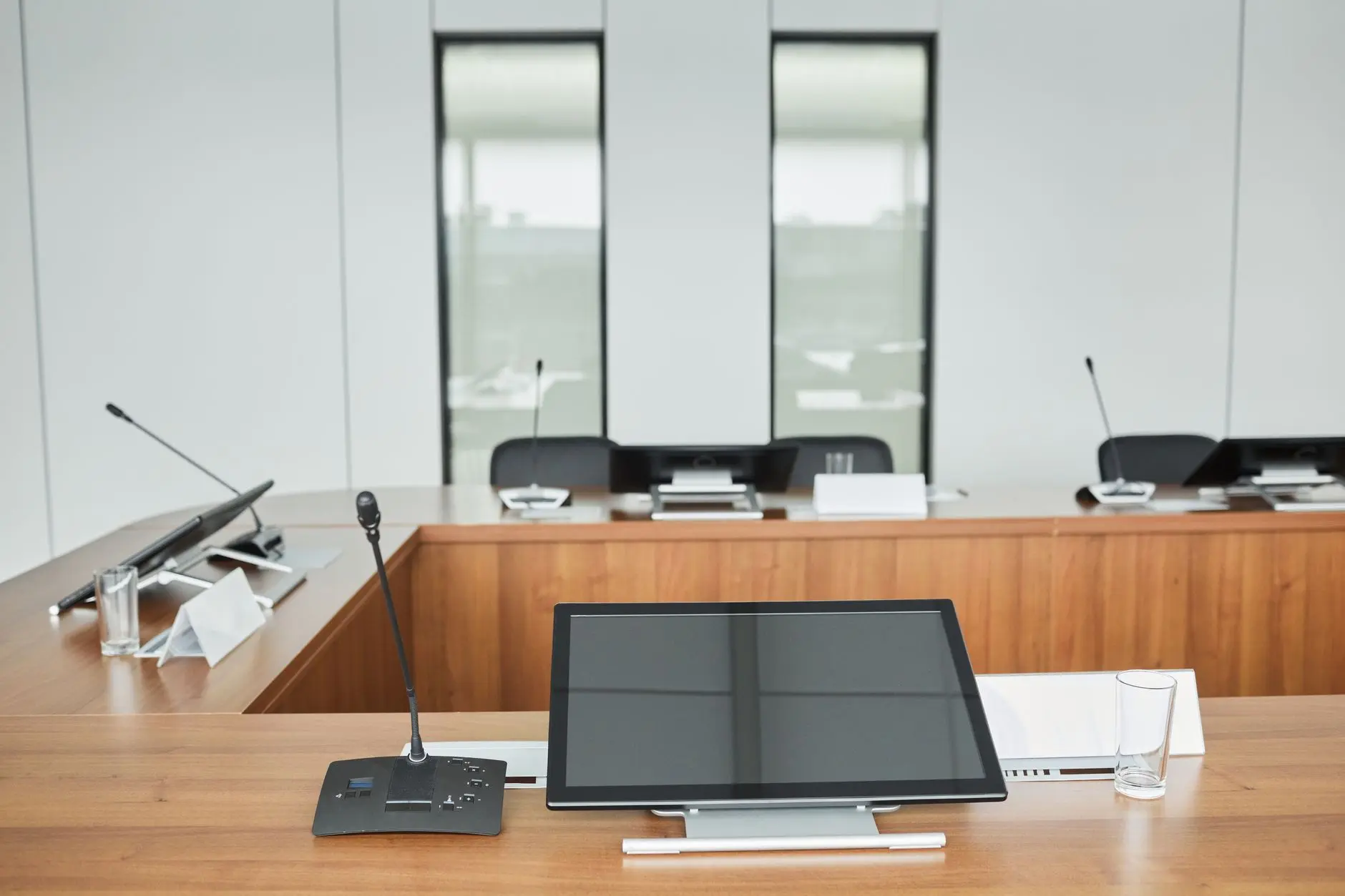
According to research by Steven Rogelberg, professor at the University of North Carolina at Charlotte, reported by CBS News, professionals spend an average of 18 hours a week in meetings — about 17.7 of them. Asked how many of those meetings were actually necessary, the same professionals answered just 11.8.
The math does not add up in hours; it adds up in decisions. Nearly six of those eighteen weekly hours are considered unproductive by the participants themselves, equivalent to more than $25,000 per person a year in time that produced no result. Multiplied across a whole team, that number stops being a research curiosity and becomes a cost line.
Over the past two years, AI tools have started recording, transcribing, and summarizing meetings automatically. That is a real gain — no one has to lose what was said because they were busy taking notes. But the summary answers one question (what was discussed) while the company still has no answer for the more expensive one: what was decided, who owns it, and by when.
The Gap Between Talking and Deciding
The Atlassian survey of 5,000 knowledge workers across four continents went straight at the part that lost time alone does not explain: whether meetings deliver what they promise. The answer was that meetings are ineffective 72% of the time, and the most common failure is the costliest one: 75% of respondents said meetings do not work for making decisions as a group.
Microsoft's Work Trend Index measures the same problem from another angle: time spent inside work apps. On average, 57% of a professional's time goes to communicating — in meetings, chat, and email — versus 43% actually spent creating. And 68% of respondents say they lack enough uninterrupted focus time during the workday.
Together, the two pictures describe the same loop: more than half of work time goes to discussion, discussion rarely ends in a decision, and without a recorded decision the next meeting reopens the same topic. That loop — not the meeting itself — is what eats the 18 weekly hours Rogelberg's research measured.
The most telling detail comes from another Atlassian number: 54% of professionals leave a meeting without a clear idea of the next step or who is responsible for it. It is not a shortage of meetings. It is the absence of a place where what got agreed turns into a commitment with a name and a date attached.
A Summary Does Not Create an Owner
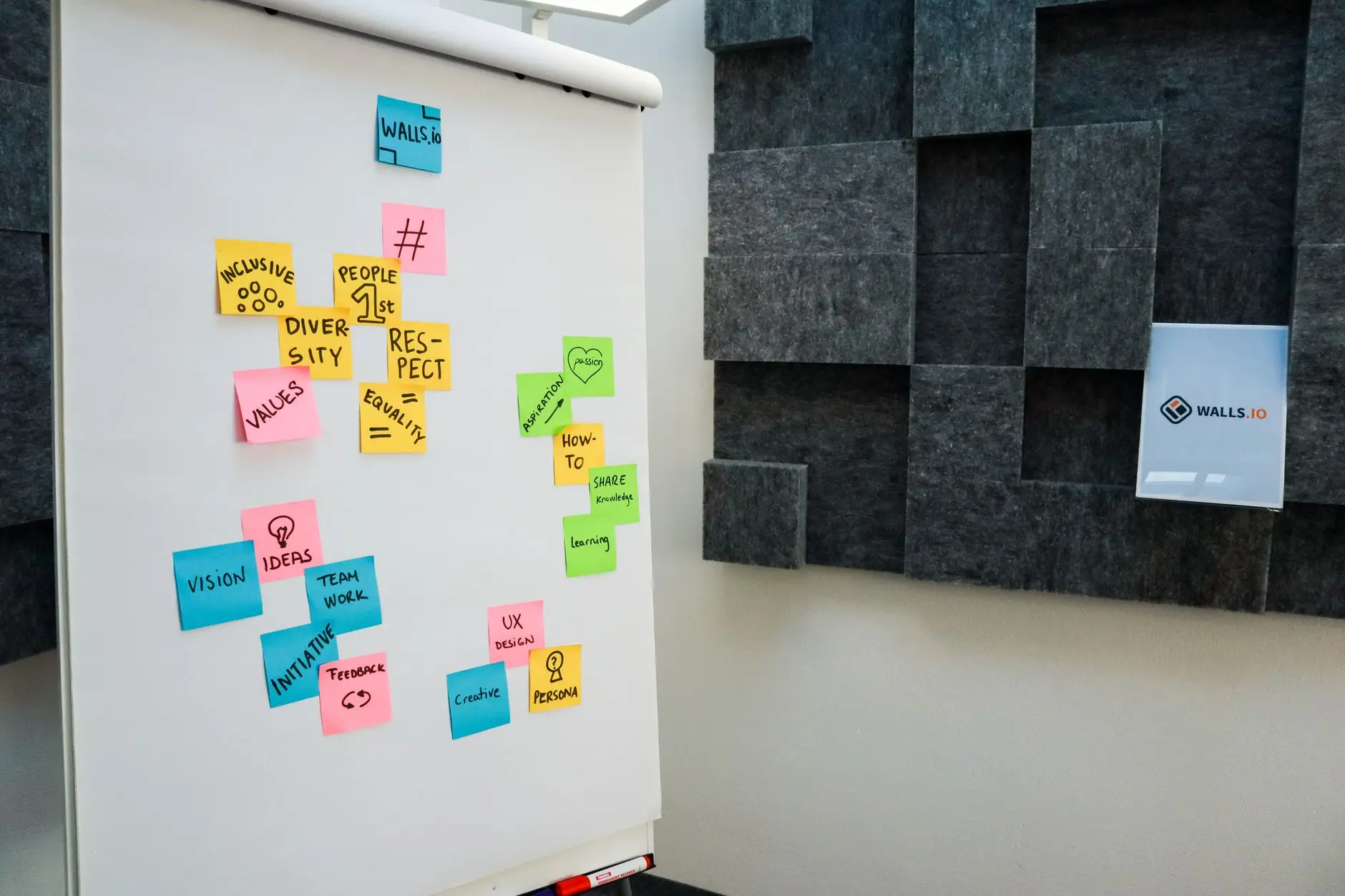
The most common answer to this problem, in recent years, has been technical: record the meeting and let an AI generate the summary. It works well for what it sets out to do — few people would argue that a faithful record of what was said beats depending on whoever happened to be paying the closest attention.
The problem is that a summary is descriptive. It lists what was said, in the order it was said. It does not decide, on its own, what from that conversation becomes work, who does it, or by when. And because the document usually sits in a recordings folder or a transcript tab, someone still has to go back, read it again, and turn it into a task — exactly the step the meeting already failed to complete on its own.
That is why the 54% of ownerless decisions Atlassian measured do not disappear once a company adopts an automated summary. The summary trades "I don't remember what was said" for "I have the text, but no one acted on it." That is a real improvement, but an incomplete one: it swaps a memory problem for a process problem.
The mechanism that closes this gap is not a better summary. It is making sure that what gets decided leaves the meeting already as a task — with an owner, a deadline, and the conversation history available to whoever executes it, instead of buried in a recording no one will open again.
What Has to Be in Place
A work environment that closes this gap is defined by verifiable mechanisms, not by one more summary feature.
Meeting notes turn into a task inside the same environment, not in another app. What got decided in a meeting becomes a work item without anyone having to copy and paste from a transcript into a separate tool.
Every item has one owner and one deadline, not a loose list of names. A decision without a clear owner tends to repeat the "who took this on?" question at the next meeting — the exact pattern Atlassian measured in more than half of cases.
The conversation history travels with the task. Whoever executes it does not have to ask "why did we decide this?" again: the relevant part of the meeting stays linked to the task, accessible according to each person's role.
Who decided gets recorded, not just what was decided. An audit trail shows when a commitment was created, changed, or completed — useful both for accountability and for understanding why an old decision was made the way it was.
Decisions that become policy or internal process go through human approval before they take effect. Not every meeting note needs that extra step; it applies when the risk of the decision calls for it.
This is how Skyller was designed: what gets decided in conversation becomes a task with an owner and a deadline inside the same environment, with the conversation history and the record of who decided always available.
When a Decision Becomes Useful Memory

The easiest gain to notice is less rework: when a decision leaves the meeting already recorded as a task with an owner and a deadline, the next meeting does not need to reopen the same topic to "align again on who has this." That directly targets the pattern Rogelberg's research describes — professionals who consider only 11.8 of the 17.7 weekly meetings they attend necessary. A good part of that gap is meetings that exist only because the previous one closed nothing.
There is also a gain for whoever arrives later. Someone new to the team, or someone joining a project midway, does not have to ask "why did we do it this way" to whoever was in the room — the conversation history and the task that came out of it are available, with the context attached.
And there is an effect on the time Microsoft measured: when less time goes into revisiting old decisions, more of the 43% of hours spent creating stays available for actual creation, instead of going back to a meeting to reconstruct from memory what had already been agreed.
The gain is not fewer meetings — some conversations genuinely need everyone in the same room, virtual or physical. It is that every meeting produces something that survives it: a task with an owner, a deadline, and the reason behind the decision, available to whoever needs to check it later.
Before You Book the Next Meeting
Before scheduling one more recurring meeting, it is worth answering these questions with the team itself:
- Did the last meeting produce a task with an owner and a deadline, or just a summary? If the answer is just a summary, the next step depends on someone remembering to act — and that does not always happen.
- Can whoever executes the task see the part of the conversation that produced it? If the answer is "no, only the people in the room know," the decision's context is locked inside whoever attended.
- Is there one place where decisions get recorded, or does every team keep its own notes? A decision scattered across personal notes is a decision the company cannot audit or reuse.
- How many of this week's meetings exist only to review what the previous one should have closed? If the answer is not zero, the problem is not too few meetings — it is a record that does not work.
- Who approves it when a meeting decision becomes official policy or process? If the answer is "no one, it just applies," a hallway decision can turn into a rule without review.