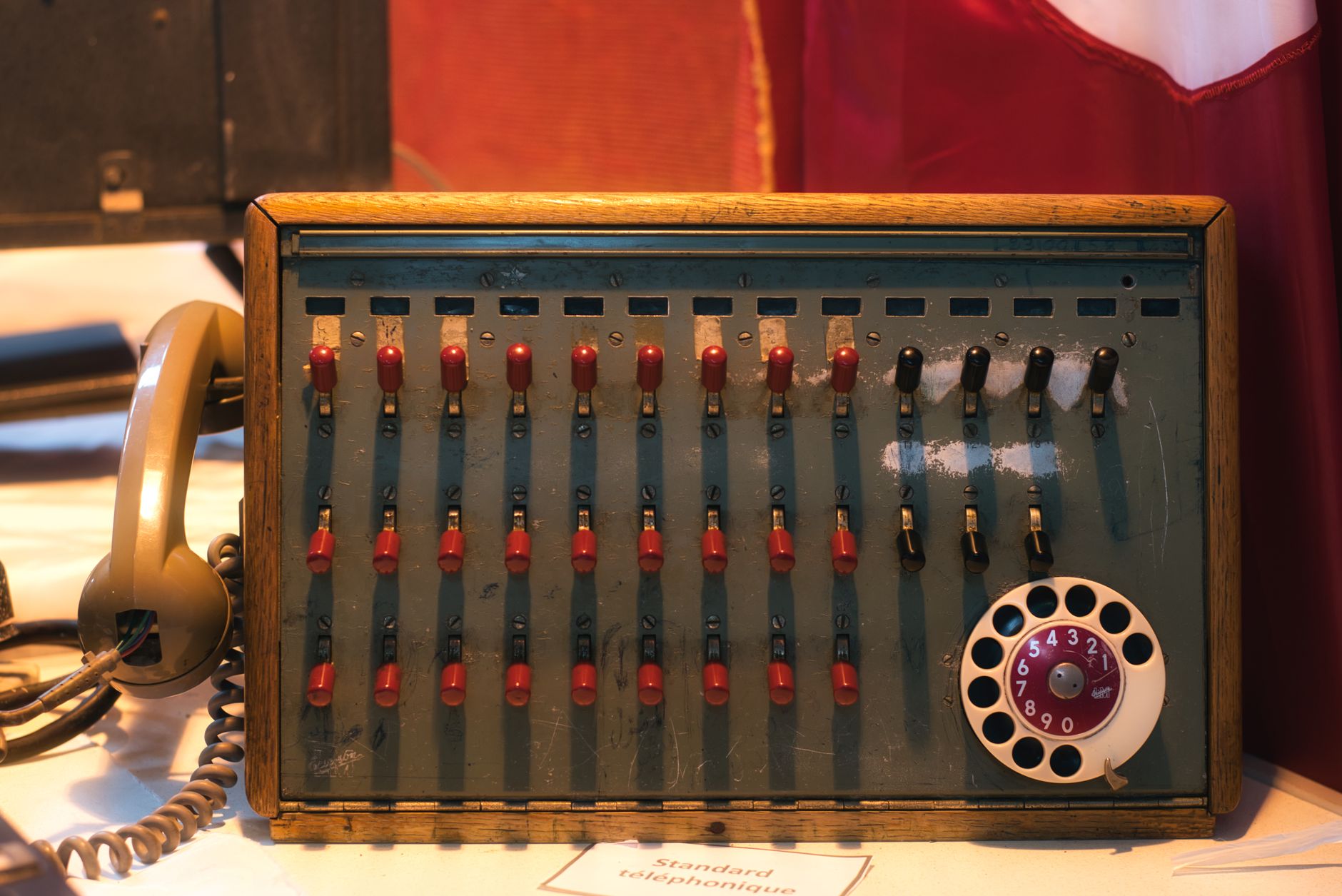

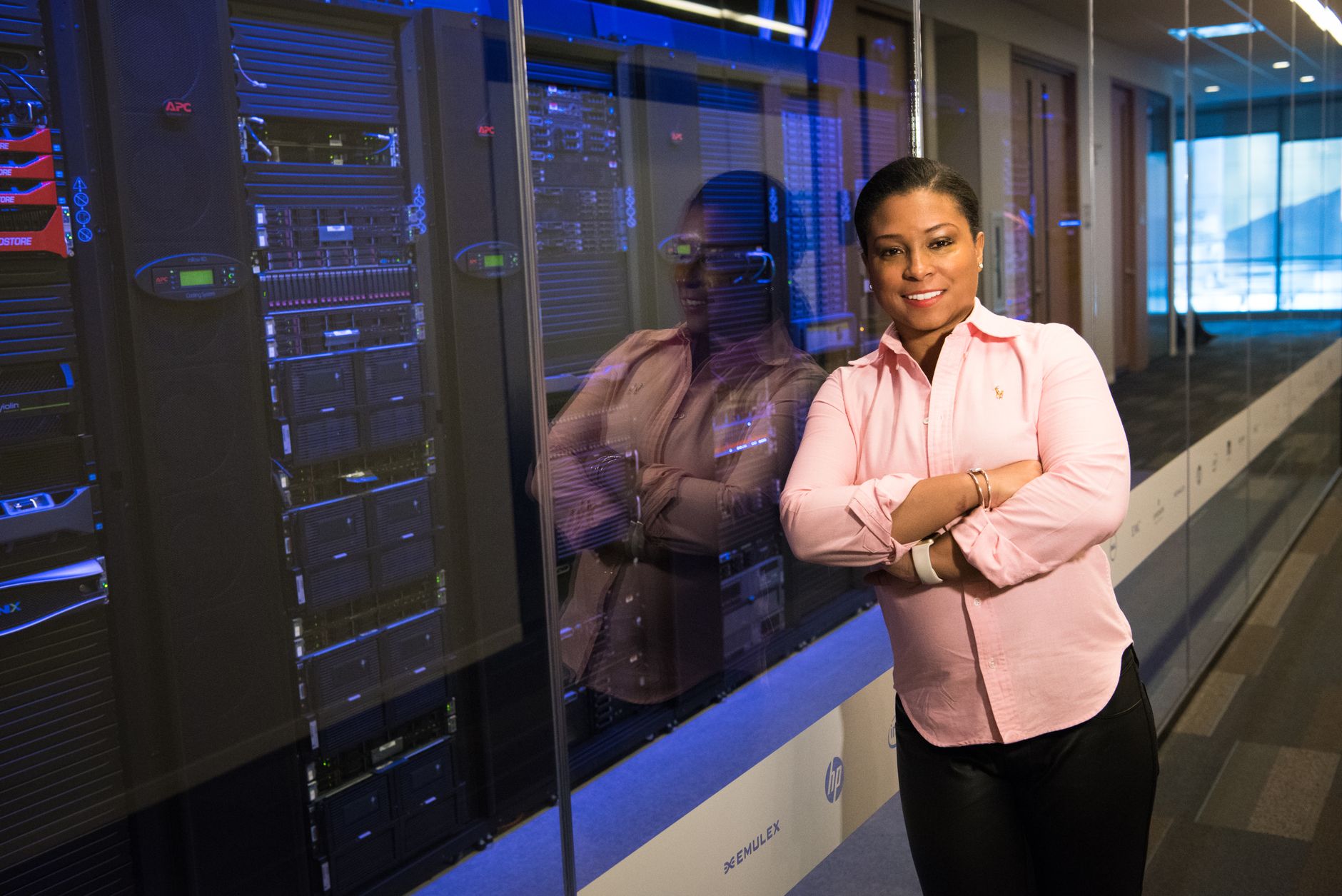
Microsoft's official migration guide for the cloud (Cloud Adoption Framework) describes swapping a system in five steps: plan, prepare, execute, optimize in the new environment, and only then decommission the source. Notice the order? Turning off the old equipment is the last step, not the first — and it only happens after everything else has been validated.
The same guide dedicates an entire section to defining, in writing and before any change begins, the criteria that say when a migration has gone wrong and the steps to reverse it safely. Microsoft calls this a rollback plan. For whoever makes the call inside a company, the simpler name is a way back.
That much care makes sense. A quarterly IDC survey (Cloud Pulse, fourth quarter of 2023) found that almost half of cloud-buying companies spent more than expected that year — and 59% of them already expected to repeat the budget overrun in 2024. The problem is rarely the technology chosen. It's deciding what, when, and how to migrate without first mapping what depended on the old system.
The server in the closet is never just a server
A server with years of use rarely does just one thing. It holds the company's user and password directory, hosts the sales system, answers the finance department's printer, receives the remote connection of whoever works from outside, and runs the routine that copies the data every night. Much of this wiring was set up by someone who no longer works at the company, and none of it is written down anywhere.
The Microsoft guide itself splits these connections into three types: the ones that need an immediate response between two systems and therefore must migrate together; the ones that tolerate more slack and can wait for a later step; and the ones that exist by business decision, not by technology — like a report the finance team only closes after another process has finished. Treating all three as one and the same is exactly what makes a forgotten dependency show up at the worst possible moment: during the swap, not before it.
It's this invisible map — not the age of the machine — that turns a simple swap into a nerve-wracking weekend. When the subject is aging equipment, the right question isn't "does the server still work?" It's "what exactly will stop working, in what order, if it's switched off tomorrow?"
The clock is also running. Microsoft ended extended support for Windows Server 2012 and 2012 R2 in October 2023: from that point on, the vendor stopped shipping standard security fixes for those versions. The only lifeline offered was a paid security-update program, with a final deadline set for October 2026. That's not a fix — it's a countdown with a price tag.
While that countdown runs, the company keeps issuing invoices, clocking employees in, and serving customers on top of the same equipment. Replacing a server without documenting what depends on it means risking all of that at once, without quite realizing it.
The common way only postpones the risk
The common way of dealing with an old server is not dealing with it: leave it running until it breaks, or schedule the swap for a Saturday night with no inventory of what's hanging off it and no rehearsal beforehand. Someone trusted does the migration on the fly, hoping everything comes back up fine the next morning.
When it works, nobody notices the risk that was taken. When it doesn't, Monday arrives with the sales system down, the fiscal printer unresponsive, and nobody quite sure what configuration the old server had — because it's already been switched off, with no way back. The loss from that one lost day usually outweighs the cost of the new server itself.
That's why replacing a server keeps getting kicked down the road year after year: the perceived risk of acting badly feels bigger than the real, growing risk of not acting at all. A company rarely decides to stick with old equipment because it weighed the trade-off — it decides because nobody designed a safe way to make the swap.
There's also a cost that rarely enters the decision: the same work costs less when it's planned than when it's an emergency. Rushing to buy a part, calling a technician after hours, and rebuilding a configuration from memory ends up costing more — in money and in idle staff time — than the same swap done with a set date, a prior rehearsal, and a warned team. The cost of haste almost always outweighs the cost of planning.
What has to be in place
A well-run server swap rests on concrete mechanisms, not on trusting the weekend to go well.
An inventory of what depends on the server. Management system, printer, time clock, database, backup routine, remote access — each dependency listed and tested one by one, not recalled from memory in the middle of the migration.
A window agreed with whoever feels the downtime. The date and time of the swap are a call made by whoever runs the business — the finance team closing the month, the shop that opens Saturday — not only by whoever manages the network.
A rehearsal before the real day. The migration runs first in a separate environment, with the critical systems tested end to end, so surprises show up there and not in front of a customer.
A defined and tested way back. Before starting, it's agreed in writing how, and within what time frame, the company goes back to operating on the old server if something doesn't go as expected — decided calmly, not improvised during a crisis.
A clear criterion for what counts as a problem. A performance drop, an access error, data that doesn't match: the signals that trigger the way back are defined ahead of time, so the call in the moment doesn't depend on whoever is on-site being on edge.
Final decommissioning only after stable operation. The old server stays available for an agreed period after the swap, and only leaves the picture once the new environment has proven it can handle the company's real routine.
This is how Skills IT works: it maps what depends on the server before touching it, rehearses the migration in a test environment, and only switches off the old equipment after a proven period of stable operation.
The payoff that shows up on the books

The return on a well-planned swap isn't technical — it's operational and financial. It's the difference between a normal Monday morning and a Monday morning with the sales system down.
For small and midsized businesses, that risk isn't abstract. The ITIC 2024 cost-of-downtime report estimates that, for businesses of that size, one hour of system downtime can run into tens of thousands of dollars — enough, in some cases, to put the business's own continuity at risk, not just that day's revenue.
A well-made swap plan also changes the kind of decision the business owner makes. Instead of approving the swap out of fear of what could go wrong, they approve it knowing a test has been run, a time has been agreed with whoever feels the impact, and there's a way to turn back if needed. It's a management decision, not a bet.
A roadmap to get started
Before setting a date for the swap, it's worth working through this roadmap with whoever handles IT and whoever signs off on the budget:
- List everything that runs on or depends on the current server. Systems, printers, integrations, and automated routines — each item, with the name of who uses it and for what.
- Choose the window with whoever will feel the downtime. Ask whoever runs the day-to-day business for the date and time, not just whoever manages the network.
- Rehearse the migration in a separate environment before the real day. Validate the most critical systems first, one at a time, and note what failed in the rehearsal.
- Put the way back — and the deadline to use it — in writing. Define, before starting, what counts as something going wrong and who decides to trigger the return.
- Keep the old server available until the new one proves it can handle the load. Only switch it off for good after an agreed period of stable operation.